

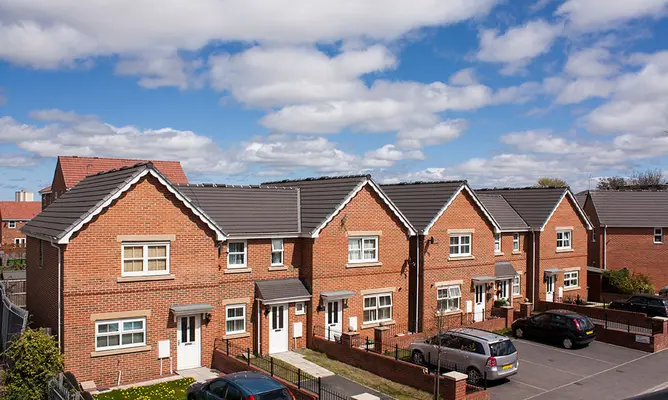
The UK’s social housing sector is in crisis with the waiting list now at its highest level in over a decade, latest figures showing over 1.3 million households waiting for a home. Throughout the UK demand far exceeds available homes, with 131,000 households in temporary accommodation and 172,000 children directly affected.
Despite the rhetoric of Government committed to delivering 1.5 million new homes and the Housing Minster Steve Reed MP chanting “Build Baby Build” we are likely to construct just 140,000 new homes in England in this financial year, roughly a third down on normal and a very long way from the Governments ambition.
Broadcast in 1966 ‘Cathy Come Home‘ shocked the nation by exposing family homelessness, the lack of social housing, harsh local authority rules and the vulnerability of women and children. The simple fact is that homelessness is far worse today, confirming a systemic failure of successive Governments to address this challenge and provide the most basic requirement of a safe and affordable place to live.
Where such market failure exists it is perhaps not surprising that the private sector seeks to fill the void, and we are seeing a structural shift away from private landlords to large institutional investment who see opportunities to profit from the lack of supply. Private renters in England face a cluster of serious, well‑evidenced risks in the Private Rented Sector, including unaffordable rents, insecure tenure, poor property conditions, and a heightened risk of homelessness. These risks are especially acute in high‑demand areas like the West Midlands and London.
So now is the time for Prime Minister Starmer to come home and grip Britains housing crisis, looking at new ways to build and reinstate homes that are affordable, safe and resilient to meet the twin challenges of climate change and building safety. This Government has the real opportunity to Get Britain Building using locally manufactured building materials and skilled contractors, simultaneously creating jobs and growth.
Now is also the right time to develop new models based on strategic partnerships that are all about the creation of long-term social value. Landowners such as Local Authorities and the Church of England may hold the key to the problem, but they do not have the resources to move at pace and scale and our Housing Associations face significant challenges as they navigate a welcome increase in housing grant and a mandate to bring their existing homes up to an Energy Performance Certificate of C by 2030 (A “C” rating indicates the home is between 69 and 80% efficient).
Invest in Co-op Housing
One very strong option must be to invest heavily in scaling up the Co-op Housing model, as part of the governments commitment to double the size of the Co-op economy. Working in partnership with Co-ops like CDS Co-operatives, local authorises and institutions such as the Church of England to release land and work with local builders could deliver homes built to last 150 years. It is a view strongly endorsed by Joe Fortune, the General Secretary of the Co-op Party who has said
‘ Our country is no longer just facing a housing crisis. What we’re experiencing is nothing short of a housing emergency. It’s time for change: time to reform the market and time for a sector which works for both people and planet. A more co-operative approach to housing rarely gets the attention or backing it deserves, but can offer residents more control over their homes by giving them a proper say and stake in the place they call home.’
Co‑op housing is a type of housing where the residents collectively own and manage the building, rather than each person owning their individual flat or property outright. The Co-op model sees residents become members of the Co‑op rather than owners of individual units. Members have the right to live in a home if they follow the Co‑op’s rules. Decisions are made collectively, one member, one vote. Residents pay a monthly charge that covers maintenance, repairs, mortgage (if the Co‑op has one), insurance, and management. Because there’s no landlord profit, costs are lower than market rent.
Our research team at the Centre for Future Homes at Birmingham City University puts the customer at the heart of the journey. We have a responsibility to deliver homes and the support to allow people to access affordable homes, that are thermally efficient, well-ventilated and built using non-combustible materials. We would welcome the opportunity to support the Co-op movement in partnership with local authorities and the Church of England to construct the resilient homes we so badly need, and the employment and growth our country is crying out for.
Mike Leonard, Visiting Professor, Centre for Future Homes, Birmingham City University and CEO of the Building Alliance